

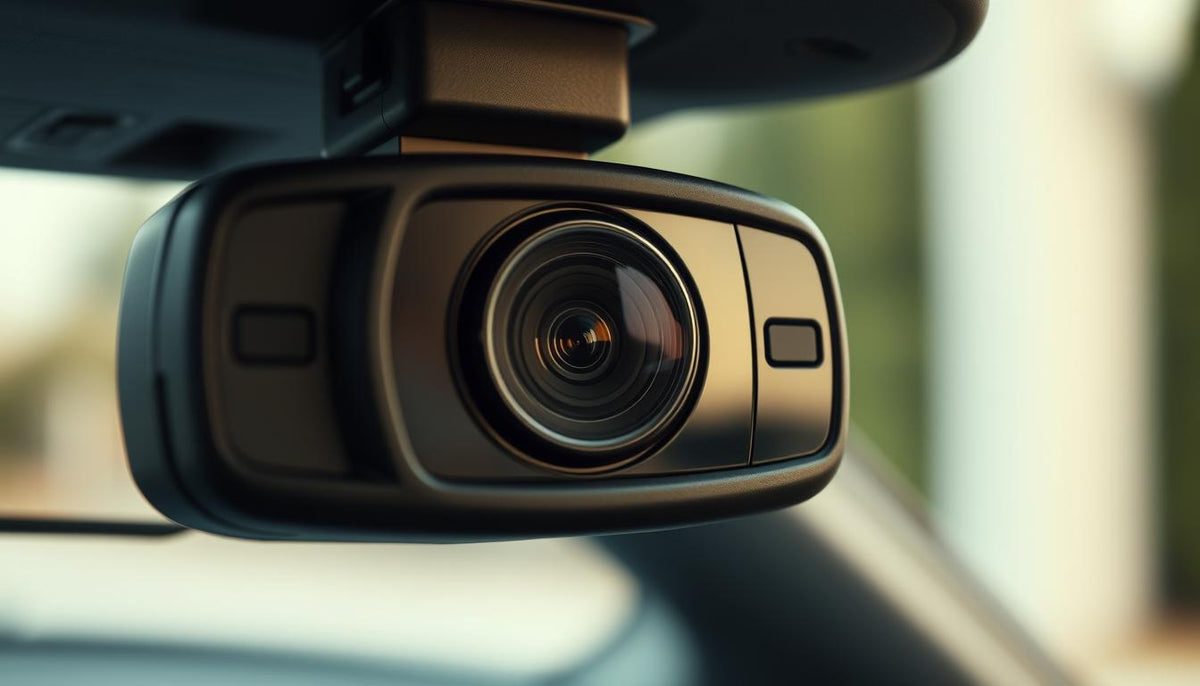
Did you know that studies show over 30% of traffic accidents happen while reversing? Retrofitting a reversing camera and Park Distance Control (PDC) can not only increase driving safety but also make parking significantly easier. In this article, you'll learn how to retrofit a reversing camera and PDC in your vehicle. We'll show you what to look for to choose the best products and offer valuable tips for successful installation. Safety and convenience are our top priorities.

Key insights
- Reversing cameras improve visibility and safety when reversing.
- PDC supports parking assistance and minimizes collisions.
- Choosing the right camera and PDC models is crucial for successful installation.
- Careful installation maximizes the functionality of the systems.
- Regular maintenance ensures long-term performance of the reversing camera and PDC.
What is a reversing camera?
A reversing camera is an innovative system that significantly improves visibility behind a vehicle when reversing. This technology has proven particularly useful for increasing safety when parking and maneuvering in tight spaces. The reversing camera transmits images of the rear view of the vehicle directly to a monitor inside the vehicle, making it easier to visualize obstacles and other vehicles.
How the reversing camera works
A reversing camera works by using a camera, usually mounted behind the vehicle. When reverse gear is engaged, the camera image is displayed on a screen, giving the driver a direct view of the area behind the vehicle. An additional feature often includes guide lines that show the optimal parking position or potential hazards.
Advantages of a reversing camera
The advantages of a reversing camera are numerous. The main advantages include:
- Improved visibility of obstacles behind the vehicle.
- Reduction of accidents and damage when reversing.
- Easier parking, especially in urban areas with limited space.
- Increased safety for pedestrians and children who may be behind the vehicle.
What is PDC (Park Distance Control)?
PDC, or Park Distance Control, is an innovative system that helps drivers detect and avoid obstacles when parking. Using ultrasonic sensors, PDC provides acoustic signals or visual warnings when the vehicle approaches an obstacle. This safety feature not only improves parking accuracy but also enhances driving comfort.
How does PDC work?
The PDC system uses a series of sensors strategically placed on the vehicle, typically in the bumper. These sensors emit ultrasonic waves and measure the time it takes to receive the echo back. Depending on how close the vehicle gets to an object, the sensors emit correspondingly faster or slower audible warning signals. For very close approaches, the warning is activated as a continuous tone to immediately alert the driver.
Advantages of PDC
Integrating PDC (Park Distance Control) into a vehicle offers numerous advantages. Among the most outstanding are:
- Increased accuracy when parking.
- Reduction of the risk of parking damage to other vehicles or obstacles.
- Enabling parking in tight spaces, which improves flexibility in urban areas.
Retrofitting a reversing camera & PDC: What you should pay attention to
When retrofitting a reversing camera and PDC (Park Distance Control), it's important to consider several aspects. First, you should ensure the products are compatible with your vehicle. Different models have different installation requirements.
Another crucial factor is the quality of the sensors and cameras. High-quality reversing cameras offer better image quality and increase safety when reversing. The monitor's ease of use also plays a significant role. An intuitive design makes it easier to operate while driving.
When it comes to installation, you have several options. You can choose to retrofit the reversing camera and PDC yourself or seek professional help. If you choose to install it yourself, you should keep a few tips in mind to minimize safety risks. The right tools and a well-planned approach are crucial for a successful installation.
What types of reversing cameras are there?
Reversing cameras are available in various designs to suit different drivers' needs. Choosing the right camera depends on individual requirements and preferences.
Built-in cameras
Built-in cameras offer a permanent solution for vehicles. These cameras are integrated directly into the vehicle, ensuring optimal positioning and visibility. The fixed installation eliminates the risk of theft or damage, which can be a problem with external models. Another advantage is the seamless integration with the vehicle's existing displays.
Universal or vehicle-specific models
Universal models are flexible and can be fitted to a wide variety of vehicle types. This provides a cost-effective solution for drivers who use different vehicles. In contrast, specific models offer tailored solutions that are optimally adapted to each vehicle. These models take into account the specific characteristics and design features of the vehicle.
| feature | Built-in cameras | Universal models | Specific models |
|---|---|---|---|
| installation | Permanently integrated | Flexible | Vehicle-specific |
| Theft protection | High | Low | High |
| compatibility | Vehicle-dependent | High flexibility | Optimally adapted |
Key features of a reversing camera
Choosing the right reversing camera plays a crucial role in driving safety and ease of use. Key considerations include image quality, resolution, night vision, and weather resistance. Each of these features significantly contributes to the overall experience.
Image quality and resolution
A crucial criterion for a reversing camera is image quality. High resolution increases image sharpness and enables precise obstacle detection. Reversing cameras with better resolution offer clear and detailed images, which is particularly important when parking or maneuvering.
Night vision and weather resistance
Night vision is essential for safe driving in the dark. Good reversing cameras are equipped with technologies that deliver clear images even in low-light conditions. Furthermore, the weatherproof housing ensures that the camera functions reliably even in adverse weather conditions such as rain or snow.
Installing a reversing camera
Installing a reversing camera is a useful step towards improving your driving safety. To ensure everything goes smoothly, it's important to have the right tools and accessories on hand.
Required tools and accessories
To install a reversing camera you will need various tools, including:
- screwdriver
- Pliers
- cable ties
- Wire cutters
- Cable insulator
Additionally, you should ensure that accessories such as cables and mounting brackets are included. These parts are crucial for successful installation and connection of the reversing camera to your vehicle's system.
Step-by-step installation instructions
The following step-by-step instructions will help you install your reversing camera efficiently:
- Choose the optimal location for the camera, usually near the license plate.
- Attach the camera using the provided screws and brackets.
- Route the cables from the camera module to the monitor inside the vehicle, using cable ties to ensure a neat installation.
- Connect the camera to the monitor.
- Test the reversing camera to ensure the image is clear and stable.
This guide can help you avoid mistakes and ensure your reversing camera works efficiently. With the right tools and accessories, the task is no problem.

Integration of PDC into your vehicle
Integrating PDC (Park Distance Control) into your vehicle can be done in various ways. When choosing the right method, you have the option of using existing sensors or installing new ones. The decision often depends on the specific requirements of your vehicle and the desired range of functions.
Use existing sensors or install new ones?
If your vehicle is already equipped with sensors, using them is a good way to save time and money. In many cases, this is much simpler, as a connection to the vehicle's control unit already exists. Newly installed sensors, on the other hand, can provide more accurate measurements and are often optimized for modern PDC systems. Make sure the sensors are positioned correctly to achieve the best results.
Tips for successful integration
For successful installation, it's important to consider a few essential tips. The correct sensor placement has a crucial impact on functionality. A height of 50 to 70 cm above the ground often proves optimal for accurate distance measurement. When selecting sensors, you should also consider the vehicle's design, as not every model is compatible with all types of PDC systems. If you're installing it yourself, thoroughly research suitable devices and their installation. You can find further information and tips on integrating PDC here .
The right purchase: What you should pay attention to
When purchasing reversing cameras and parking distance control (PDC) systems, it is crucial to pay attention to various aspects. A high quality standard guarantees not only the longevity of the products but also their performance and reliability. Choosing a reversing camera or PDC system should be a well-considered decision in order to increase road safety.
Check the quality of the products
The quality of the materials and technologies used plays a crucial role in the functionality of reversing cameras and parking distance control (PDC) systems. It is advisable to consult reviews and testimonials from other buyers. This will give you an objective insight into the performance of the products. Furthermore, it is recommended to favor well-known brands that are distinguished in the industry by their continuous innovation and reliability.
Warranty and customer service
Another important point to consider when buying a parking assist system is the warranty and customer service. A solid warranty gives you the assurance that support will be offered in case of problems or defects. Customer service should be quick and helpful so that you don't have to wait long if you have questions or concerns. It's worthwhile to choose providers who also support their customers after the purchase. For detailed information on the best systems, you can visit the website einparkhilfe-nachruesten.de .
Common mistakes when retrofitting
Many mistakes can occur when retrofitting a reversing camera or parking distance control (PDC) system, impairing functionality or even rendering the installation impossible. Careful planning and thorough research can help avoid these problems. Here are some common errors that can occur during component selection and installation.
Errors in component selection
One of the biggest mistakes is choosing components that aren't compatible with your vehicle. It's crucial to ensure that the reversing camera and parking distance control (PDC) are selected correctly to guarantee smooth functionality. Another common mistake is insufficient research to find the best products on the market. Information about faulty components can be found in detailed guides, such as those available on various online resources .
Avoid installation errors
Errors frequently occur during the installation of reversing cameras and parking distance control (PDC), which can lead to malfunctions. The most common problems include:
- Sensors mounted too high or too low.
- Incorrect sensor tilt impairs accuracy.
- Insufficient protection of the cables against chafing or moisture.
- Faulty connection to the on-board electronics, preventing the systems from activating.
Precise installation is essential to minimize errors and ensure the full functionality of the systems. A carefully executed installation of the reversing camera and PDC (Park Distance Control) can significantly improve safety and ease of use while driving. Errors can be considerably reduced by following detailed step-by-step instructions.

Maintenance and care of reversing camera and PDC
Maintenance of the reversing camera and PDC (Park Distance Control) is essential to ensure their optimal functionality in the long term. Regular inspections are important to guarantee that both the reversing camera and the PDC are working flawlessly. Proper care plays a crucial role in preventing problems from arising.
Regular checks of functionality
Continuous functionality checks ensure that both the reversing camera and the PDC (Park Distance Control) are always ready for use. This includes checking the image quality of the reversing camera and the correct functioning of the PDC sensors. Any deviations should be addressed immediately to prevent potential damage.
Cleaning and maintenance of the sensors and cameras
Cleaning the reversing camera and PDC sensors is crucial for their effectiveness. Dust, dirt, or other deposits can significantly impair visibility and functionality. Regular maintenance ensures that the systems operate reliably under all conditions. Use mild cleaning agents and a soft cloth to clean the surfaces and avoid scratches.
Retrofitting costs
The cost of retrofitting a reversing camera or parking distance control (PDC) can vary considerably depending on the desired functionality and brand. When purchasing a reversing camera, various models are available on the market, ranging from basic to highly functional. This price range typically starts at around €150 and can go up to €500.
Price ranges and price brackets
The choice of a reversing camera is influenced by various factors. Simpler models start at around €150, while high-quality cameras with extras such as high-resolution displays and night vision can cost between €230 and €300. One example is the Sensotronic PDC CS-10 Trailer Edition, a system specifically designed for motorhomes, which costs approximately €250. These options demonstrate that the cost of reversing cameras varies and can be tailored to individual needs.
Additional costs for installation
When it comes to installation, additional costs should be factored in. Prices for installing a reversing camera or parking distance control (PDC) yourself can range from €50 to €200, depending on the complexity of the installation and the chosen specialist company. Therefore, it is advisable to calculate these costs in advance to avoid unpleasant surprises.
| Models | Price range (Euro) | Installation costs (Euro) |
|---|---|---|
| Simple reversing cameras | 150 - 230 | 50 - 100 |
| High-quality reversing cameras | 230 - 300 | 100 - 200 |
| Special systems (e.g. for motorhomes) | 250 | 100 - 150 |
Useful tips for use
To get the most out of your reversing camera and parking distance control (PDC), it's essential to use these systems regularly in practice. Familiarize yourself with the visual and audible cues that assist you when reversing. Reacting to these signals promptly increases your safety and minimizes the risk of collisions.
An important tip for using the system is to drive more slowly when reversing. This gives you a better feel for distances and allows you to recognize potential hazards early on. This is made significantly easier by the combination of the reversing camera and the parking distance control (PDC) system.
Furthermore, it is advisable to perform a thorough calibration of the systems before first use and to ensure that the sensors are not affected by obstacles. You can find further valuable information on the installation and use of the systems here: Retrofitting Tips .
Split:
Speed warning system mandatory in all new cars